RGBW lighting
RGBW Architectural Signage with True Whites
RGBW signage adds a dedicated white LED to the usual red, green and blue, so a sign can shift colour and still show a clean, usable white. It suits corporate facades, hospitality frontages and feature walls where the brand colour matters and the lighting has to change with the occasion. RGBW lighting is subject to technical assessment and confirmed availability, and we confirm what is possible for your sign during the survey and design stage.
- Cleaner whites than RGB
- Brand-colour tuning
- Scenes for events and seasons
- Built in metal and acrylic
Where RGBW signage works best
RGBW earns its place where a sign must do two jobs: present the corporate colour accurately on an ordinary night, and change character for a launch, a season or a campaign. Typical applications include:
- Corporate head-office and tower-top lettering that needs a crisp white as the default state
- Hotels, lodges, restaurants and entertainment venues that change mood through the evening
- Retail and showroom frontages with seasonal or promotional colour schemes
- Reception and feature walls where lighting is part of the interior design
- Architectural facade features that are washed in colour rather than read as words
If your sign only ever needs one fixed colour, a single-colour LED system is simpler and easier to maintain. RGBW is for brands that want range as well as accuracy.
Design options
RGBW is a lighting method rather than a sign shape, so it can be built into most of the constructions we make:
- Face-lit channel letters with translucent acrylic faces that glow in the selected colour
- Halo-lit letters with a solid face and a coloured wash on the wall behind
- Dual-lit letters where the face stays white and the halo changes colour, or the reverse
- Logo and feature panels with edge-lit or backlit elements
- Linear and wall-wash profiles that frame a building element
Letter depth, return height, face thickness, fixing method and the number of lighting zones are set during design. More zones allow more complex scenes but add controllers, cabling and cost.
Materials and finishes
Returns and backs are normally fabricated in aluminium or stainless steel, powder-coated or painted to the brand palette. Faces are usually opal (diffused) acrylic, because opal spreads the colour evenly and hides the individual LED points. Clear or tinted faces can be used for special effects but show the lighting more directly.
The face material strongly affects how colours read. A white or opal face with a vinyl overlay gives the most predictable brand colour by day, and the RGBW module then provides the night-time effect. We recommend viewing a physical sample of the face and lighting together before sign-off. See materials and finishes for the wider range.
Lighting options
An RGBW module carries four colour channels. Red, green and blue mix to produce most colours, and the white channel produces a true white instead of the slightly cool or tinted white you get from mixing the other three. It also lifts pastel and warm tones that RGB alone struggles to render.
- Fixed brand colour: the controller is set to a tuned recipe so the sign looks the same every night
- Preset scenes: a short list of saved colours for events, seasons or times of day
- Timed changes: scenes switched automatically on a schedule
- Dimming: brightness set to suit the surroundings and reduce glare
Colour-changing and controller features are subject to technical assessment and confirmed availability. Supply of RGBW modules, drivers and controllers can vary, so we confirm components before design is finalised. Be realistic about colour: LEDs can approximate a brand colour closely but cannot always reproduce a printed Pantone reference exactly.
RGBW compared with neighbouring options
RGB colour-changing signs are the simpler step. They suit a sign that runs colour scenes where a perfect white is not important, and they usually cost less. Choose RGBW when white is part of your brand or when the sign will sit on its default white for most of the year.
Programmable pixel LED signs control each small segment separately, allowing chases and animation. Choose pixel when you want movement; choose RGBW when you want a whole letter or logo to change colour as one.
DMX-controlled sign lighting is the route when the sign must be part of a wider building lighting scheme controlled from a lighting desk or building system. RGBW modules can often be driven by DMX, so the two are not mutually exclusive. For a plain single-colour glow, see front-lit channel letters or halo-lit letters.
Technical considerations
- Viewing distance and size: as a rough guide, many designers allow around 25 mm of letter height per 10 m of viewing distance. We confirm on site, because mounting height, angle and surrounding light all change the answer.
- Contrast: a coloured glow reads best against a darker background. Light-coloured walls reduce the impact of halo effects in daylight and under street lighting.
- Mounting surface: brick, concrete, cladding, glass and composite panels each need different fixings. We check the substrate during the survey.
- Electrical access: RGBW signs need power supplies, a controller and a data run. We note existing supply points and where cabling can be routed.
- Light spill and glare: saturated colours at full brightness can annoy neighbours and drivers. Dimming is set during commissioning.
- Weather exposure: exterior components must be sealed and detailed for rain, dust and heat. We design the cabling and power enclosure to suit the position.
- Access and approvals: maintenance access, structural fixing, electrical work and municipal outdoor-signage approval are checked at survey and design stage. The landlord, body corporate or municipality may need to approve changing-colour signs, and we do not promise compliance in advance.
What affects the price
- Size of the letters or logo and the number of separately controlled zones
- Letter depth, material and fabrication complexity
- Face material and any overlay graphics
- Number and quality of LED modules, power supplies and controllers
- Control method: stand-alone preset controller, scheduled control or integration with a wider system
- Height, access equipment and rigging at installation
- Distance from the power supply and the cabling route
- Whether existing fixings, trays or electrical points can be reused
We quote after the brief and survey so that the specification, not a guess, drives the number.
Care and maintenance
Clean faces with mild soapy water and a soft cloth, never solvents that can craze acrylic. Check periodically that every zone reaches the colours you expect; a letter that no longer matches its neighbours usually points to a failed module or driver. Keep controller settings and any saved scenes documented so they can be restored. Our maintenance service and LED signage repairs cover inspections and fault-finding, and an older sign can sometimes be upgraded through LED retrofit.
RGBW signage across Gauteng
We design and manufacture from our Rivonia base and arrange surveys and installations by appointment across Gauteng. RGBW work tends to suit corporate nodes and hospitality precincts such as these:
Options & specifications
| Colour channels | Red, green, blue and white |
|---|---|
| Typical faces | Opal acrylic, with optional vinyl overlay |
| Typical returns | Aluminium or stainless steel, painted or powder-coated |
| Control | Preset scenes, scheduling or DMX, subject to assessment |
| Mounting | Wall-fixed, raceway or flush, set at survey |
| Power | Low-voltage LED supplies, positions confirmed on site |
| Availability | Subject to technical assessment and confirmed availability |
Options, materials and turnaround are confirmed on your written quote.
How ordering works
- 1
Brief
Tell us the brand colours, the building and how often you want the sign to change.
- 2
Site survey
We measure, check the surface, find the power and note access and surrounding light.
- 3
Design & approval
You receive drawings and a mockup, with the lighting recipe for your brand colours agreed before manufacture.
- 4
Manufacture
Letters, faces, modules and controller are built, wired and tested together.
- 5
Installation
Signs are fixed, connected and commissioned, with scenes and brightness set on site.
Frequently asked questions
What is the difference between RGB and RGBW signs?
RGB uses red, green and blue only, and its white is a mix that can look tinted. RGBW adds a separate white LED, so whites look cleaner and pastel and warm tones render better.
Can RGBW match my exact brand colour?
It can usually get close, and we tune the recipe on a sample. LEDs cannot always match a printed colour reference exactly, so we agree the target on a physical sample before manufacture.
Is RGBW always available?
RGBW lighting is subject to technical assessment and confirmed availability of modules and controllers. We confirm this once we have seen the sign position and brief.
Do I need approval for a colour-changing sign?
Possibly. The landlord, body corporate or municipality may need to approve colour-changing or high-brightness signs. We check requirements at survey and design stage, but approval remains with those parties.
Can I change the colours myself later?
Often yes, through a simple controller or preset button, depending on the system chosen. We explain the controls at handover.
Request a quote for RGBW Architectural Signage
Related services
 RGB Colour-Changing SignsRGB signs mix red, green and blue LEDs to produce a wide range of colours from the same…View
- Programmable Pixel LED SignsPixel LED signs use addressable LEDs that can each be given their own colour and brightness, so a…View
 DMX-Controlled Sign LightingDMX is a lighting-industry control protocol that lets a sign be commanded from the same desk or controller…View
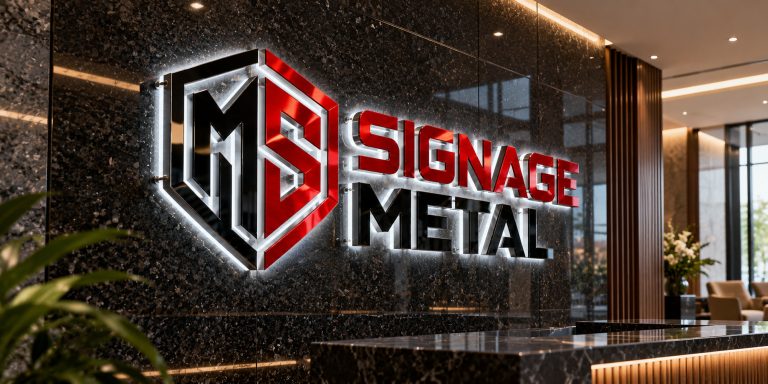 Dual-Lit Channel LettersDual-lit channel letters, sometimes called combo-lit, light the face of each letter and also throw a halo onto…View
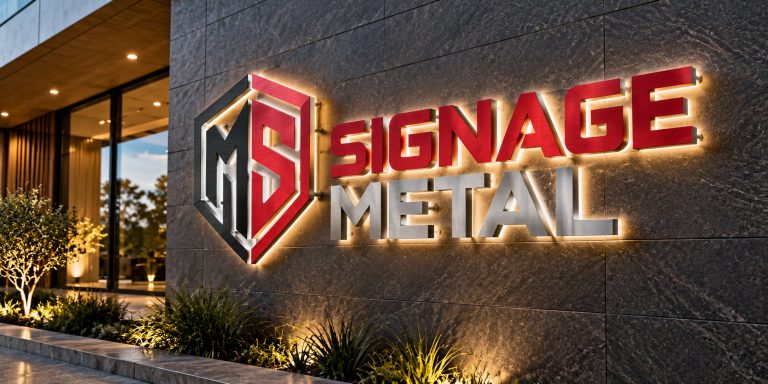 Halo-Lit and Backlit LettersHalo-lit letters have solid metal faces and LED lighting at the back. The light washes onto the wall…View
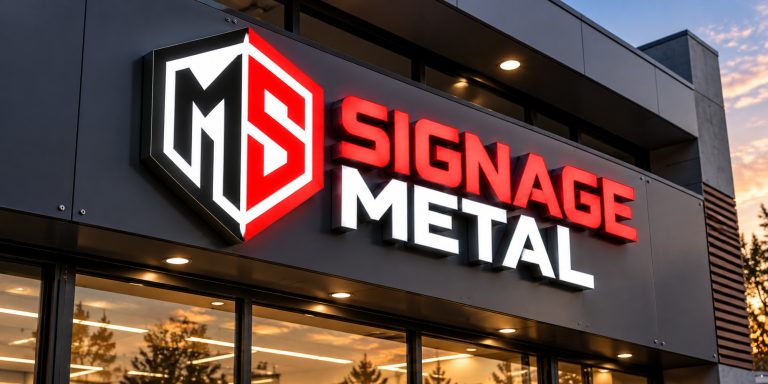 Front-Lit Channel LettersFront-lit channel letters are fabricated 3D letters with translucent acrylic faces. LED modules sit inside each letter and…View
Tell us about your building and brand colours and we will advise whether RGBW suits it.
Send your brief, quantities and deadline. We reply with a clear written quote and confirm the turnaround before anything goes to production.