Warm, Classic Metal
Brass Letters and Signs with a Warm, Lasting Presence
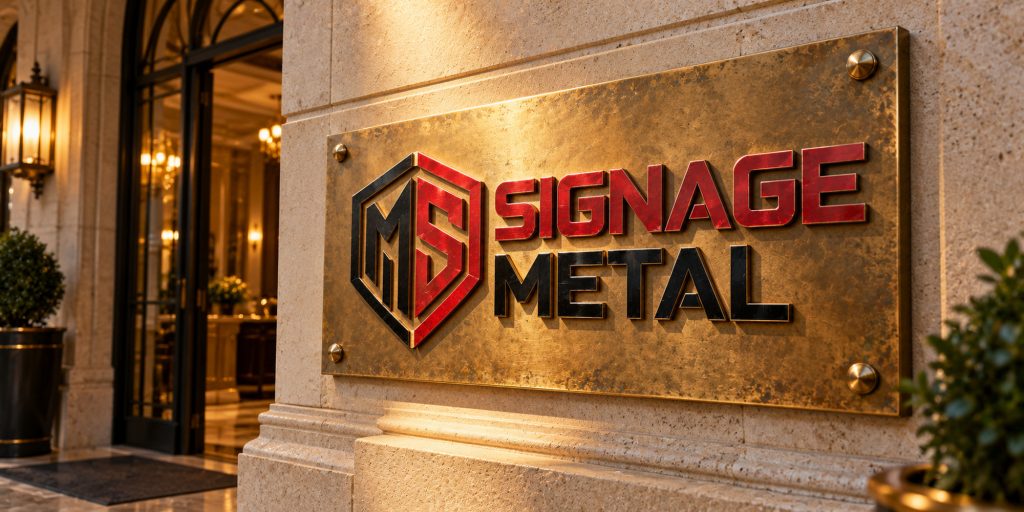
Brass has a golden warmth that painted metal cannot quite copy. It suits heritage buildings, hospitality entrances, professional practices and any brand that wants to look established rather than flashy.
We make brass letters, plaques and name signs, finished polished, brushed or aged, and fix them to suit your wall or door frame.
- Warm golden colour
- Polished or brushed finish
- Plaques and 3D letters
- Suits heritage settings
Where brass works best
Brass is chosen for character as much as durability. Typical settings:
- Law firms, medical rooms, accountants and consultancies with a name plate at the door
- Boutique hotels, guest houses and restaurants wanting a refined entrance
- Heritage and renovated buildings where modern plastic would look out of place
- Reception walls with a 3D logo in a warm metal
- Residential estates and private homes for gate and house name signs
- Commemorative and dedication plaques; see engraved metal plaques
Brass works best at human scale. For very large lettering on tall facades, lighter metals are usually more practical.
Design options
- Solid letters: cut from brass sheet and fixed with studs, giving a crisp relief on stone, brick or timber.
- Plaques: a brass plate with engraved, etched or applied lettering, typically screw-fixed or bonded.
- Brass-faced panels: brass over a lighter backing for larger signs, so weight stays manageable.
- Mounting: stud-mounted off the wall, flush-fixed, or set into a recess.
- Lettering styles: classic serifs, script and modern sans-serif all work; very fine detail suits etching, covered under etched metal signs.
Materials and finishes
Brass is an alloy, and its finish decides how it looks and how often it needs attention.
- Polished: bright, mirror-like gold tones that suit interiors and sheltered entrances.
- Brushed (satin): a softer, directional grain that hides fingerprints better than polished.
- Lacquered: a clear protective coat that slows tarnishing, though the coat itself can age outdoors.
- Natural or aged: left to darken over time, or pre-aged for an antique look.
Where an exact gold colour is wanted on a lighter or cheaper base, we can discuss painted or plated alternatives.
Lighting options
Brass is not translucent, so it is not usually built into internally lit signs. It looks best lit from outside, where warm light brings out the metal.
- Small wall-washers or spotlights aimed at a plaque or letters
- Discreet warm-white LED strips behind brass letters for a soft halo, which is a separate construction (see halo-lit letters)
- Interior downlights in reception areas
Electrical work and fittings are assessed at the survey. Brass in a dark entrance is often best treated with a dedicated light.
Brass compared with similar metals
- Copper is redder and develops a green or brown patina; choose it if you want a living surface. Brass is more golden and stays closer to its original tone.
- Stainless steel reads cool and modern and needs little upkeep; choose brass for warmth.
- Painted aluminium can imitate gold at a lower weight, but it will not have the depth or character of real brass.
- Engraved plaques are the answer when the main message is a name and detail rather than a large display.
Technical considerations
- Weight: solid brass is heavy. Large letters need strong fixings and a sound wall, checked at survey.
- Exposure: outdoors, brass will weather; polished surfaces dull faster. Choose finish for the sun and rain exposure.
- Contrast: brass on a pale wall can lack contrast; a dark wall or backing panel makes it read better.
- Reading distance: as a rough guide, many designers allow around 25 mm of letter height per 10 m of viewing distance. Brass is often used closer than this.
- Fixing: stone, glass and timber each need a different method; we confirm on site.
- Approvals: heritage areas, body corporates and landlords may need to approve signs, and structural or electrical matters are checked at the survey and design stage.
What affects the price
- Size, thickness and weight of brass used
- Solid letters versus a plaque or brass-faced panel
- Finish: polished, brushed, lacquered or aged
- Engraving, etching or applied detail
- Fixing method and wall surface
- Lighting and installation access
Care and maintenance
Wipe with a soft damp cloth and dry. Avoid abrasive cleaners. Polished brass will tarnish and can be re-polished; lacquered brass should only be cleaned gently so the coating is not damaged. If you prefer a natural patina, simply leave it. We can refresh, relacquer or replace tired plaques as part of cleaning and maintenance.
Brass signs across Gauteng
Surveys and installations are arranged by appointment from our Rivonia base. Brass work is often requested for professional offices, hospitality and homes in places such as Sandton, Houghton, Johannesburg, Pretoria, Centurion and Bedfordview.
Options & specifications
| Forms | Solid letters, plaques, brass-faced panels |
|---|---|
| Finishes | Polished, brushed, lacquered or aged |
| Lettering | Cut, engraved, etched or applied |
| Typical fixing | Studs, screws or bonded, depending on surface |
| Lighting | External spotlights or wall-wash; halo build possible |
| Best scale | Doors, entrances and reception walls |
| Colour | Natural gold tones; paint or plating as an alternative |
Options, materials and turnaround are confirmed on your written quote.
How ordering works
- 1
Brief
Tell us the wording, where it will be mounted and whether it must suit a heritage or body corporate style.
- 2
Site survey
We check wall or door material, weight capacity and lighting options.
- 3
Design and approval
You approve a scaled visual with finish, thickness and fixing detail.
- 4
Manufacture
Brass is cut, finished and checked for edge quality and consistency.
- 5
Installation
Letters or plaques are fixed with templates and cleaned down on completion.
Frequently asked questions
Will brass letters tarnish outdoors?
Yes, brass changes with weather and handling. A lacquer slows this, and polished brass can be refreshed. Many clients embrace a gradual patina.
Is brass suitable for large building signs?
It can be, but weight and cost rise quickly. For large lettering, lighter metals or a brass-faced build are often more practical. We advise at survey.
Can you make brass plaques with a logo?
Yes. Logos and fine text can be engraved or etched, or applied as cut shapes, depending on the level of detail needed.
Is brass better than copper?
Neither is better. Brass is golden and steadier; copper is redder and changes more. Pick based on the look and the setting.
Do I need permission to fit a brass sign?
Possibly. Landlords, body corporates, heritage guidelines or the municipality may need to approve. We check what applies at the survey and design stage.
Request a quote for Brass Letters and Signs
Related services
 Copper Letters and SignsCopper is a metal with a story: bright and rosy when new, then slowly deepening to brown and,…View
 Engraved Metal PlaquesAn engraved plaque is a permanent record: a name, a date, a dedication or a building identifier cut…View
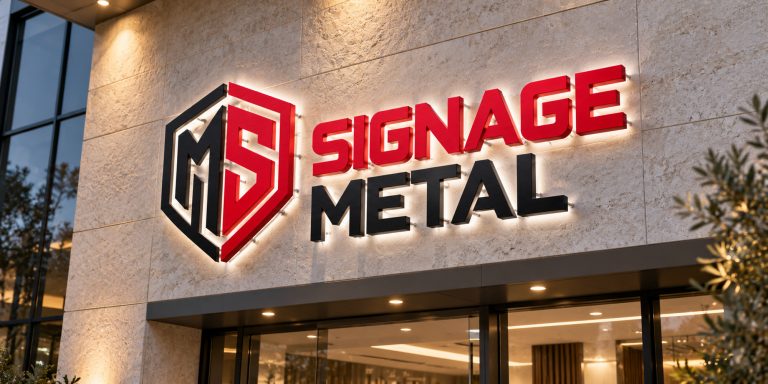 Etched Metal SignsEtching uses a controlled chemical process to eat a pattern or lettering into the surface of metal. The…View
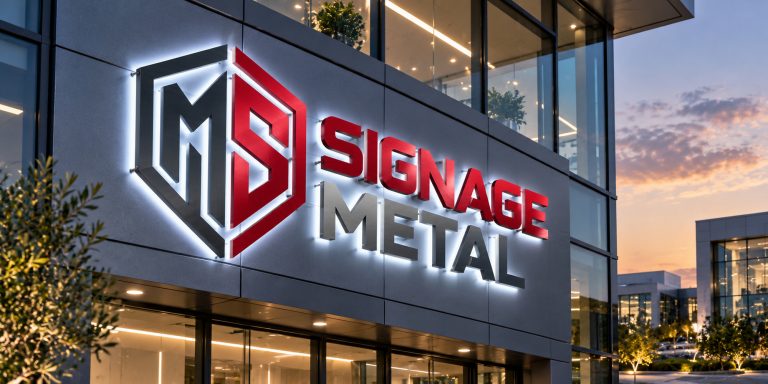 Stainless Steel LettersStainless steel letters are cut or fabricated from stainless sheet and finished brushed, mirror-polished or painted. They suit…View
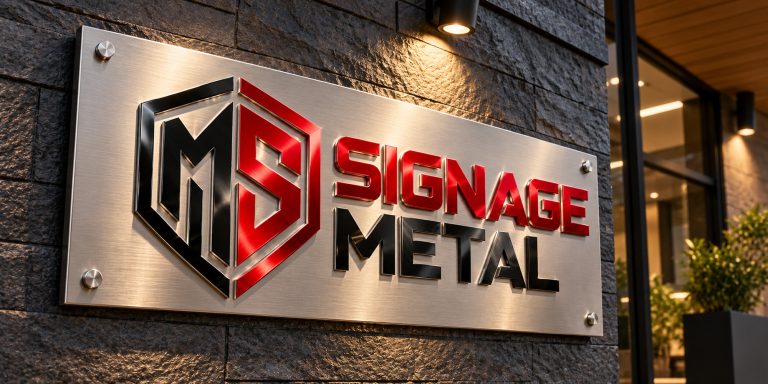 Flat-Cut Metal LettersFlat-cut metal letters are the simplest route to a clean, dimensional sign: each letter is cut from a…View
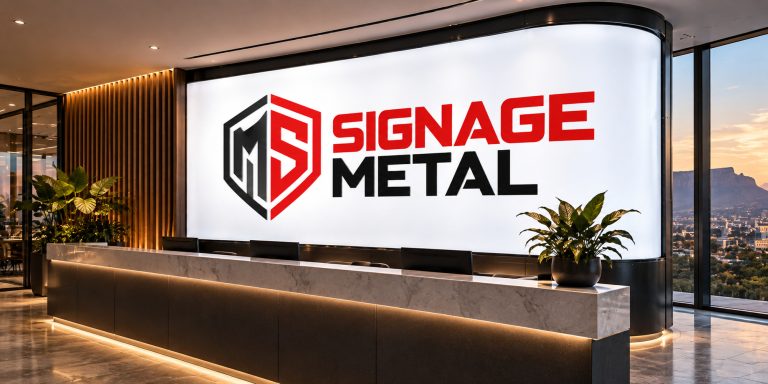 Office Reception SignsA reception sign is the first piece of branding a visitor stands in front of, often for several…View
Tell us the wording and the wall and we will quote your brass signs.
Send your brief, quantities and deadline. We reply with a clear written quote and confirm the turnaround before anything goes to production.