Pixel LED signs
Programmable Pixel LED Signs with Animated Effects
Pixel LED signs use addressable LEDs that can each be given their own colour and brightness, so a sign can run chases, fades, sweeps and simple animations rather than a single glow. They suit venues, entertainment brands and facades that want movement and attention after dark. Pixel lighting is subject to technical assessment and confirmed availability, and we confirm what is achievable once we know your sign, site and content.
- Chases, fades and sweeps
- Per-segment colour control
- Reprogrammable effects
- Metal and acrylic construction
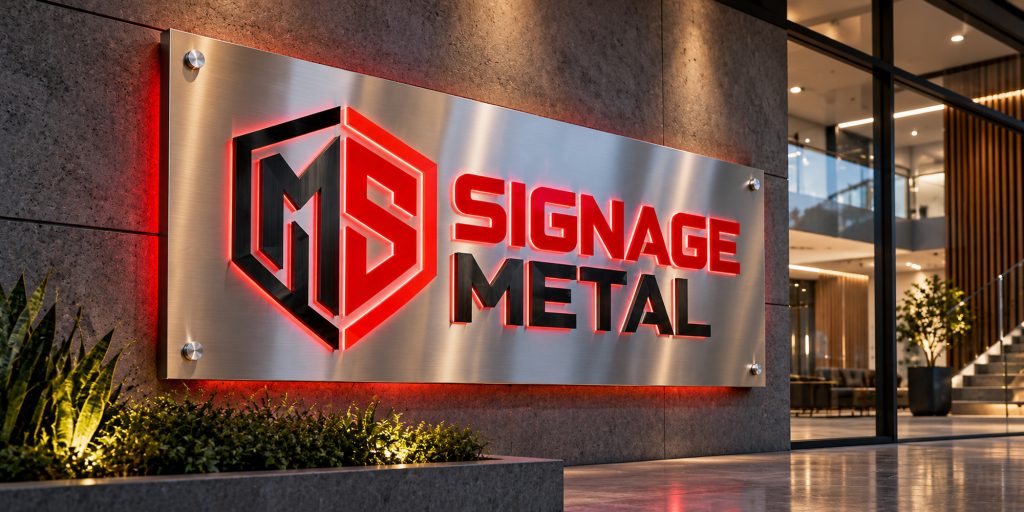
Where pixel LED signs work best
Movement draws the eye, which makes pixel signs a good fit for destinations that compete for attention at night:
- Entertainment venues, bars, clubs, casinos and event spaces
- Hotel and leisure frontages with an evening atmosphere
- Retail features, showrooms and launch campaigns
- Large facade graphics and feature walls
- Seasonal or promotional additions to an existing brand sign
Where the sign must look calm and professional, such as a law firm or a medical practice, a still glow from front-lit letters is usually the better choice. Animation can also be restricted in some environments, so we raise this early.
Design options
Pixel lighting can be built into several sign forms:
- Pixel-lit channel letters with addressable modules behind opal faces
- Pixel strip outlines that trace letters, logos or building edges
- Pixel panels and feature shapes for artwork that moves
- Halo effects where pixels behind solid letters animate the wall wash
The number of pixels per letter determines how smooth an effect looks. Fewer, larger pixels give bold chases; denser layouts allow finer gradients but need more power, data cabling and programming time. We balance effect against budget during design, and a short mockup of the effect helps you decide.
Materials and finishes
Cabinets and returns are fabricated in aluminium or stainless steel with a durable painted or powder-coated finish. Opal acrylic faces diffuse the individual pixels so that the effect appears smooth rather than dotted; thinner or clear faces show each pixel more sharply, which can be deliberate for a dotted-light look. Trays and backs should be finished to suit the wall colour, as the unlit sign must also look good by day. See materials and finishes for samples.
Lighting and control
Each pixel is controlled by a data signal, usually through a dedicated controller. That controller stores or plays effects such as colour chases, rainbow sweeps, fades, pulses and scrolling patterns, and can switch between them on a timer.
- Preset effects: a library of patterns selected at commissioning
- Custom sequences: programmed to the sign layout for a specific look
- Scheduling: effects change by time of night or day of the week
- Brightness limits: capped so the sign does not overpower its surroundings
Pixel systems are subject to technical assessment and confirmed availability. Power and data cabling, controller capacity and module supply all influence what can be offered. Moving light is also more likely to need landlord or municipal consent than a static sign, so we check that early.
Pixel compared with neighbouring options
RGB colour-changing signs change the whole sign from one colour to another. Choose pixel only if you want effects that travel across the sign or move between letters. For brand-accurate whites with simple colour change, RGBW architectural signage is more suitable.
DMX-controlled sign lighting is about integrating the sign into a wider lighting scheme; pixel is about the animation within the sign itself, and the two can work together. If you want to display changing messages or video rather than abstract effects, see LED digital display signs. For an ordinary lit sign without animation, custom LED illuminated signs are simpler to run and maintain.
Technical considerations
- Viewing distance and size: as a rough guide, many designers allow around 25 mm of letter height per 10 m of viewing distance. Pixel density should suit that distance, so a sign seen from far away needs bolder, brighter effects.
- Contrast: animation reads best against dark surfaces and in low ambient light.
- Mounting surface: fixings and cable routes are specified per wall type.
- Electrical access: pixel signs need distributed power supplies and a data run from the controller. We note where supplies and the controller can be housed, and where isolation is needed.
- Light spill and glare: fast, bright animation can distract drivers and disturb neighbours. We recommend limiting speed and brightness near roads and residences.
- Weather exposure: data connections are a common failure point outdoors, so connectors and enclosures are detailed for exposure.
- Access and approvals: structural, electrical and municipal approval matters are checked at survey and design stage, and may need the landlord, body corporate or municipality. We do not promise compliance in advance.
What affects the price
- Size of the sign and the number of pixels or controlled segments
- Pixel density and the quality of the LED modules
- Controller type and the complexity of programming
- Letter construction, depth and face material
- Power supplies, data cabling and enclosures
- Height, access equipment and rigging
- Whether the pixel system is part of a new sign or added to an existing one
A written quotation follows the survey and an agreed effect brief.
Care and maintenance
Wash faces gently and check that all pixels light as programmed; a dark section often means a failed module, connector or supply upstream of it. Keep a copy of the effect programme so it can be restored after a controller replacement. Power down before any cleaning around enclosures. LED signage repairs and our maintenance service cover diagnosis and replacement.
Pixel LED signs across Gauteng
Pixel signs are arranged by appointment from our Rivonia base, with surveys and installation across Gauteng. They are most often considered in nightlife, hospitality and commercial nodes such as these:
Options & specifications
| LED type | Addressable pixel LEDs, selected at design |
|---|---|
| Typical faces | Opal or clear acrylic |
| Typical construction | Aluminium or stainless steel returns |
| Effects | Chases, fades, sweeps, pulses, scrolling |
| Control | Dedicated pixel controller with scheduling |
| Power | Distributed low-voltage supplies |
| Availability | Subject to technical assessment and confirmed availability |
Options, materials and turnaround are confirmed on your written quote.
How ordering works
- 1
Brief
Describe the venue, the mood and the kind of movement you want, with logo files.
- 2
Site survey
We assess the position, power, data routes and how visible the sign is from the street.
- 3
Design & approval
You approve drawings and a short effect preview, with brightness and speed limits agreed.
- 4
Manufacture
Letters, modules and controllers are built, programmed and burn-tested.
- 5
Installation
The sign is fixed, wired and commissioned, with effects and timers set on site.
Frequently asked questions
What can a pixel LED sign do that an ordinary LED sign cannot?
Each pixel is individually controlled, so effects can travel across the sign, such as chases, sweeps and fades. An ordinary LED sign lights up evenly in one colour.
Can I change the effects later?
In most systems, yes. The controller can be reprogrammed or loaded with new sequences, depending on the controller chosen.
Are animated signs allowed?
It depends on the property and the municipality. Landlords, body corporates and municipal outdoor-signage rules may restrict moving or changing light, so we check this at survey and design stage.
Is pixel lighting always available?
Pixel systems are subject to technical assessment and confirmed availability. We confirm this before you commit to a design.
Will it look good during the day?
Yes, if the unlit sign is designed well. We finish faces, returns and trays so the sign reads clearly by day as well as by night.
Request a quote for Programmable Pixel LED Signs
Related services
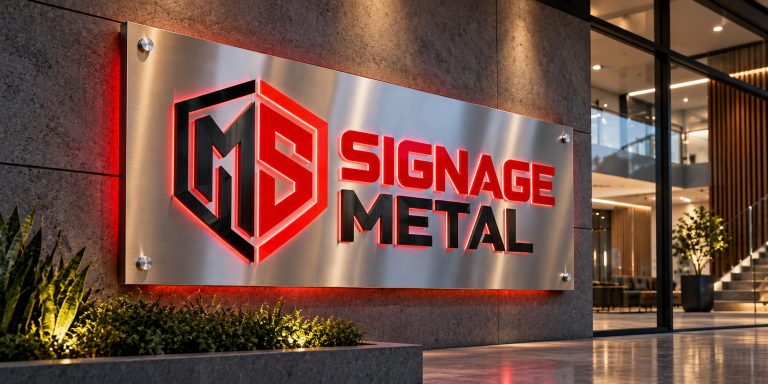 RGB Colour-Changing SignsRGB signs mix red, green and blue LEDs to produce a wide range of colours from the same…View
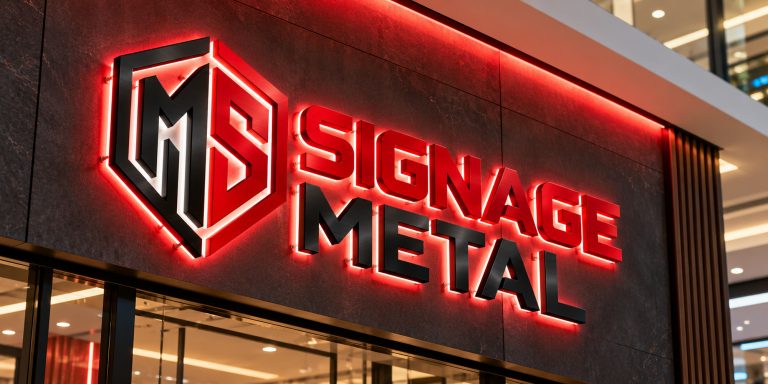 RGBW Architectural SignageRGBW signage adds a dedicated white LED to the usual red, green and blue, so a sign can…View
- DMX-Controlled Sign LightingDMX is a lighting-industry control protocol that lets a sign be commanded from the same desk or controller…View
 LED Digital Display SignsLED digital displays show content you can change: promotions, messages, opening hours, event details or short video, instead…View
 Custom LED Illuminated SignsA custom LED illuminated sign is designed from scratch around your logo, your building and the way people…View
 Front-Lit Channel LettersFront-lit channel letters are fabricated 3D letters with translucent acrylic faces. LED modules sit inside each letter and…View
Share your venue and the effect you have in mind and we will assess what pixel lighting can do.
Send your brief, quantities and deadline. We reply with a clear written quote and confirm the turnaround before anything goes to production.