Choose with confidence
Sign Materials and Finishes, Compared Honestly
The material decides how a sign looks, ages and is maintained. Use the explorer to compare options, then read the plain-language notes below. We confirm the right choice for your site during the survey.
Materials explorer
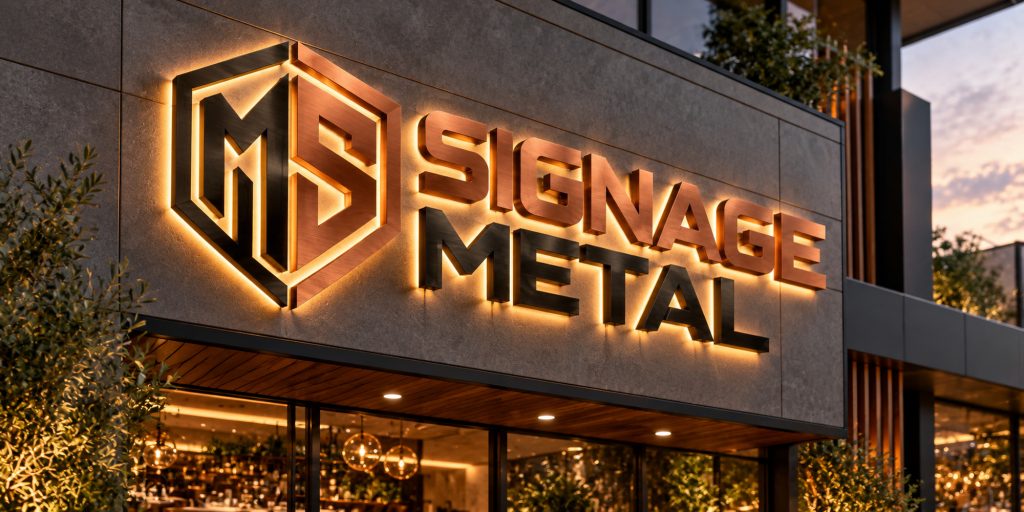
Stainless steel
Pros: clean, modern look, strong, available in brushed, polished and coloured finishes. Cons: heavier and usually costlier than aluminium; polished finishes show marks. Best for: premium lettering, plaques and entrances. See stainless steel letters.
Aluminium
Pros: light, easy to fabricate and finish, and suited to large letters and boxes. Cons: softer than steel and can dent; the finish relies on coatings. Best for: channel letters, pylons and large signs. See aluminium letters.
Brass
Pros: warm, classic appearance, suited to heritage and hospitality. Cons: tarnishes unless lacquered or maintained; higher material cost. Best for: plaques, entrances, interiors. See brass signs.
Copper
Pros: distinctive warm colour that develops a patina over time. Cons: the changing look is not for everyone, and runoff can stain adjacent surfaces. Best for: feature signs where ageing is part of the design. See copper signs.
Corten steel
Pros: rich weathered rust finish that suits landscapes and contemporary architecture. Cons: surface rust can stain paving and walls beneath it during weathering. Best for: monuments and garden or estate signs. See corten steel signs.
Acrylic
Pros: can be clear, coloured, frosted or opal, and works well for lit faces and interior signs. Cons: scratches more easily than metal and can fade or yellow with prolonged sun exposure depending on grade. Best for: lit faces, edge-lit panels and reception signs. See edge-lit acrylic.
Aluminium composite panel
Pros: flat, light and economical for large panels, and it takes printed or painted finishes well. Cons: edges need proper sealing and detailing, and it is less refined than solid metal. Best for: flat fascia panels, backing and pylon cladding.
Powder coating and paint finishes
Pros: a wide colour range, with good durability when done properly. Cons: chips or fades eventually and needs prep and quality control. Best for: matching brand colours on aluminium and steel. Supply Pantone or RAL references where you have them; matching is approximate and checked on a sample.
How to choose
Consider where the sign sits (coastal or industrial air is harsher), who will maintain it, the look you want in ten years, and your budget. See our guides for metal finishes outdoors, or request a quote.
Frequently asked questions
Which metal needs the least maintenance?
Painted or powder-coated aluminium and brushed stainless generally need only regular cleaning, though conditions vary by site.
Can you match my brand colour?
We work from Pantone or RAL references and confirm on a sample. Matching is approximate.
Explore
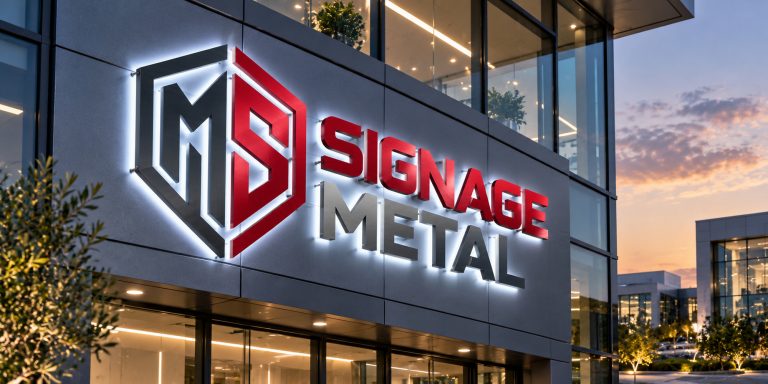 Stainless Steel LettersStainless steel letters are cut or fabricated from stainless sheet and finished brushed, mirror-polished or painted. They suit…View
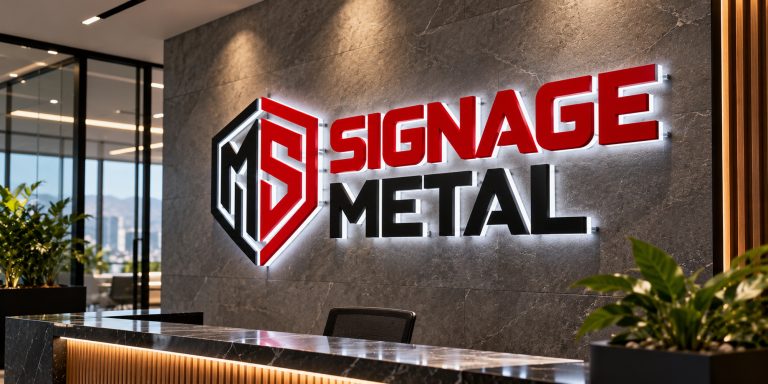 Aluminium LettersAluminium letters are the practical all-rounder of metal signage: light enough for most walls, easy to cut to…View
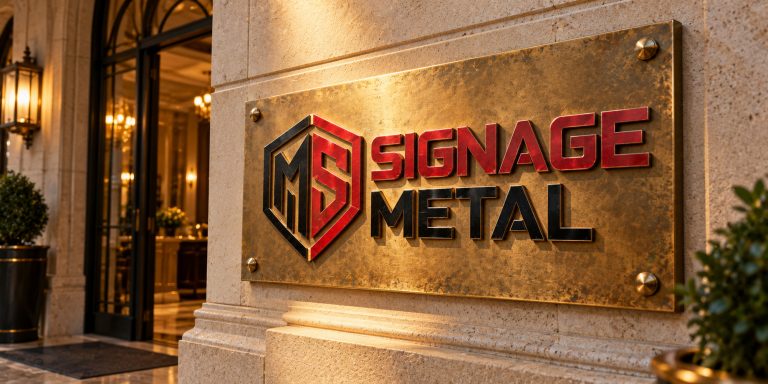 Brass Letters and SignsBrass has a golden warmth that painted metal cannot quite copy. It suits heritage buildings, hospitality entrances, professional…View
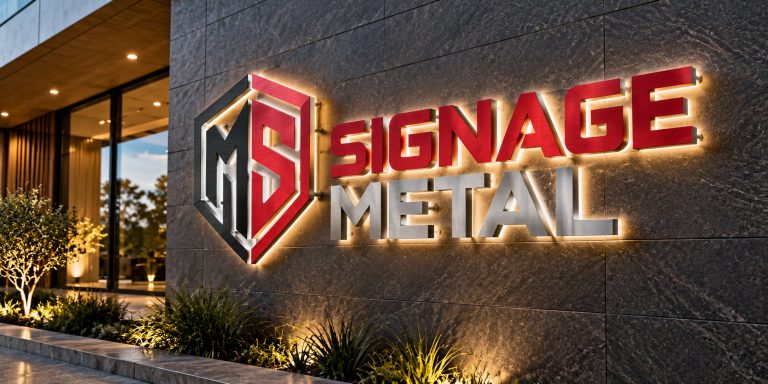 Copper Letters and SignsCopper is a metal with a story: bright and rosy when new, then slowly deepening to brown and,…View
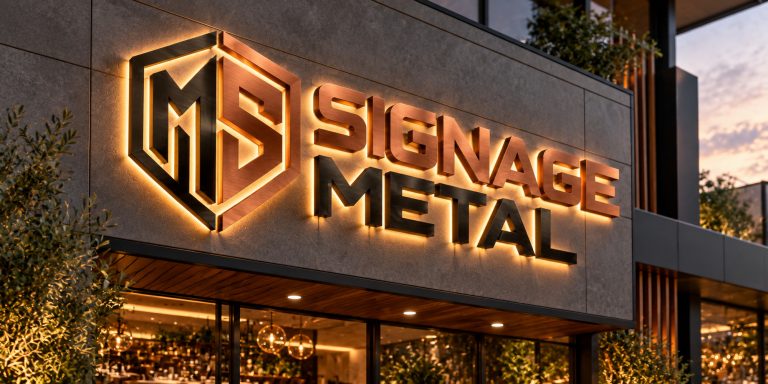 Corten Steel SignsCorten is a weathering steel that forms a stable rust-coloured surface, giving signs a rugged, earthy look that…View
Not sure which material suits your sign? Ask us for a recommendation.
Send your brief, quantities and deadline. We reply with a clear written quote and confirm the turnaround before anything goes to production.