How signs glow
Sign Lighting Technology Explained
Lighting changes how a sign is read, how it feels and how it is maintained. This page explains the main techniques in plain language, and flags where advanced options need assessment first.
Compare the styles
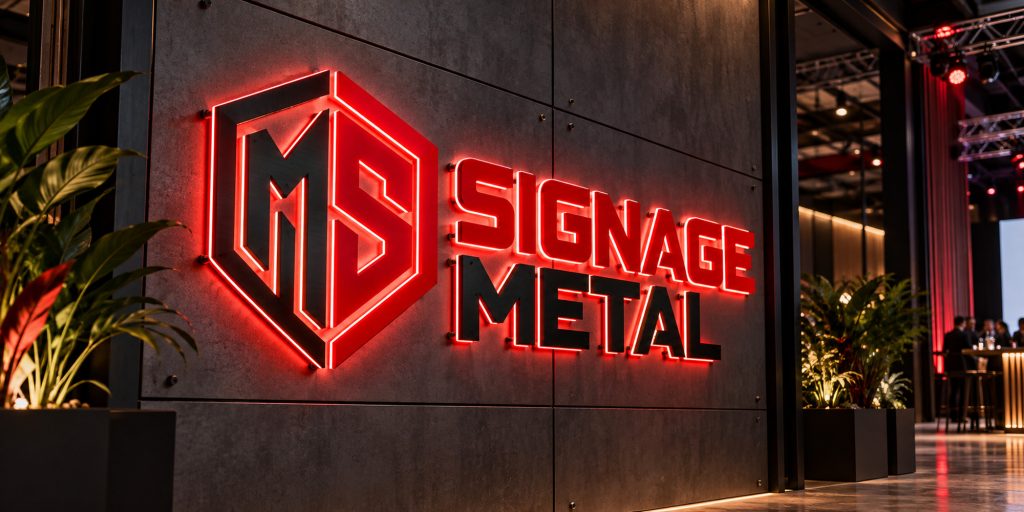
Front-lit
Light shines through a translucent face, giving the strongest direct legibility. Best for roadside and long-distance reading. See front-lit channel letters.
Halo-lit
Solid faces with light behind, washing the wall in a glow. Needs a suitable, preferably smooth, wall. See halo-lit letters.
Front plus halo (dual-lit)
Combines a lit face and a rear glow for depth and read-from-afar visibility. See dual-lit letters.
Edge-lit and diffused lightboxes
Edge-lit acrylic lights the panel from its edges for a floating look, while lightboxes light a whole graphic face evenly. See edge-lit acrylic and LED lightboxes.
Slimline systems
Shallow cabinets suit interiors and tight spaces. See slimline lightboxes.
RGB, RGBW and addressable pixel
Colour-changing options let a sign shift hue or follow a scheme. RGB, RGBW (with a dedicated white for cleaner whites) and addressable pixel systems each have different costs and complexity. All are subject to technical assessment and confirmed availability.
Programmable scenes and DMX
Controllers store scenes for different times or events, and DMX control connects signs to architectural lighting systems. This is subject to technical assessment and confirmed availability.
Dimming, timers and dusk-to-dawn
Dimming controls brightness to suit the surroundings, timers set the hours and dusk-to-dawn sensors switch signs on when light fades. Controls are selected during design.
LED retrofits
Older signs can often be assessed for conversion to LED. See LED retrofit services and repairs.
Glare management
Over-bright signs are hard to read and annoy neighbours. We set brightness and diffusion to the viewing distance and surroundings.
Maintenance access
Plan how a technician will reach the sign, power supplies and drivers later. Access affects long-term cost as much as the sign itself.
Weather and component selection
Outdoor signs face sun, rain and dust. Components, sealing and cabling are chosen for the exposure, and we confirm specifics during design rather than quote generic ratings.
Ask for assessment
Lit outdoor signs also need electrical access and often landlord, body corporate or municipal approval. Both are checked at survey stage. Read the illuminated signage hub or book a site survey.
Frequently asked questions
Which lighting is brightest?
Front-lit faces are usually read most directly, but brightness is set to suit the site rather than maximised.
Can a sign change colour?
Yes, with RGB, RGBW or pixel systems, subject to technical assessment and confirmed availability.
Explore
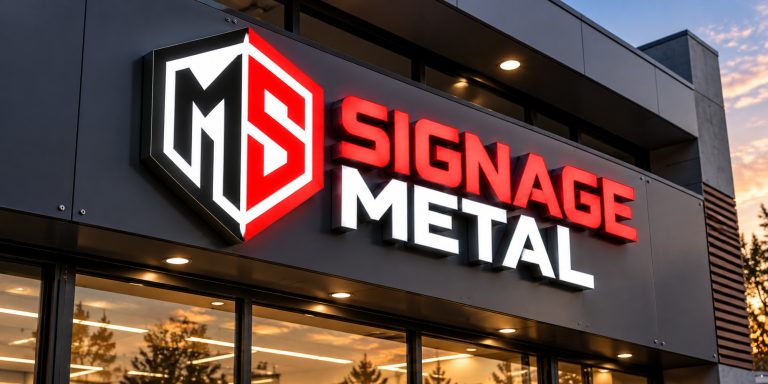 Front-Lit Channel LettersFront-lit channel letters are fabricated 3D letters with translucent acrylic faces. LED modules sit inside each letter and…View
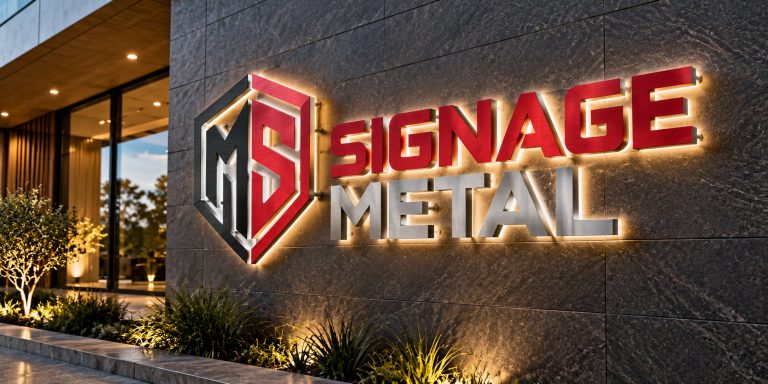 Halo-Lit and Backlit LettersHalo-lit letters have solid metal faces and LED lighting at the back. The light washes onto the wall…View
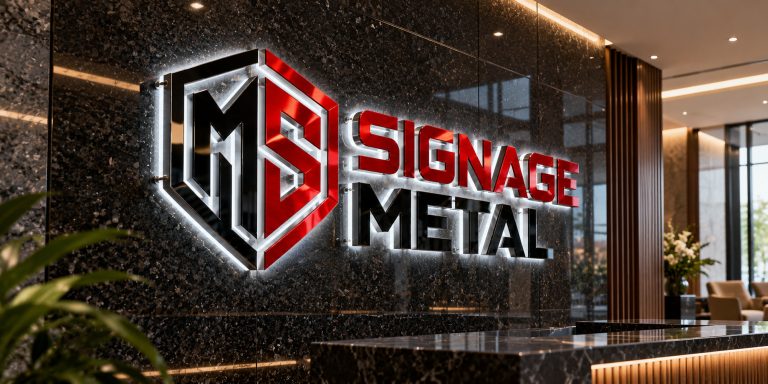 Dual-Lit Channel LettersDual-lit channel letters, sometimes called combo-lit, light the face of each letter and also throw a halo onto…View
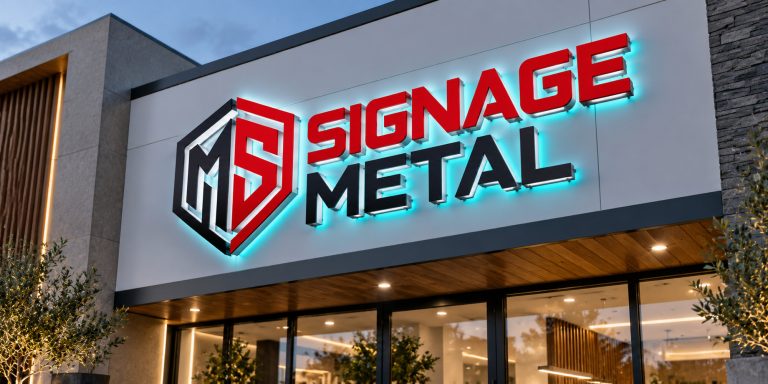 Edge-Lit Acrylic SignsAn edge-lit acrylic sign is a clear or frosted acrylic panel with LEDs set into its edges. The…View
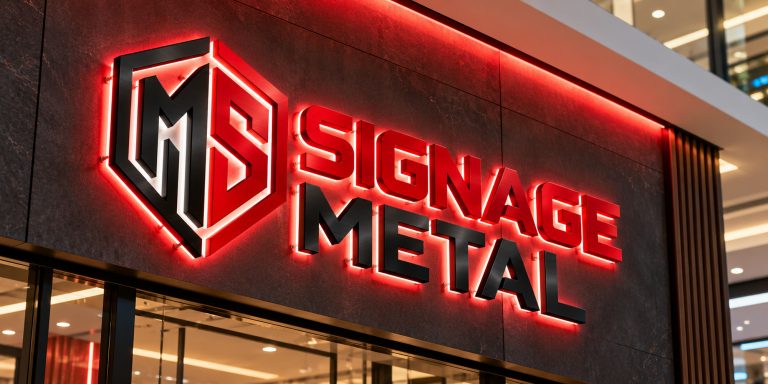 RGBW Architectural SignageRGBW signage adds a dedicated white LED to the usual red, green and blue, so a sign can…View
Want advice on lighting for your sign? Book a site survey.
Send your brief, quantities and deadline. We reply with a clear written quote and confirm the turnaround before anything goes to production.