
DMX sign control
DMX-Controlled Sign Lighting for Scene-Based Control
DMX is a lighting-industry control protocol that lets a sign be commanded from the same desk or controller as the rest of a building or venue lighting scheme. We build signs and facade lettering with DMX-ready LED modules so the sign can join scenes, cues and schedules. DMX integration is subject to technical assessment and confirmed availability.
- Joins building lighting scenes
- Standard control protocol
- Cue and schedule ready
- Signs built to integrate
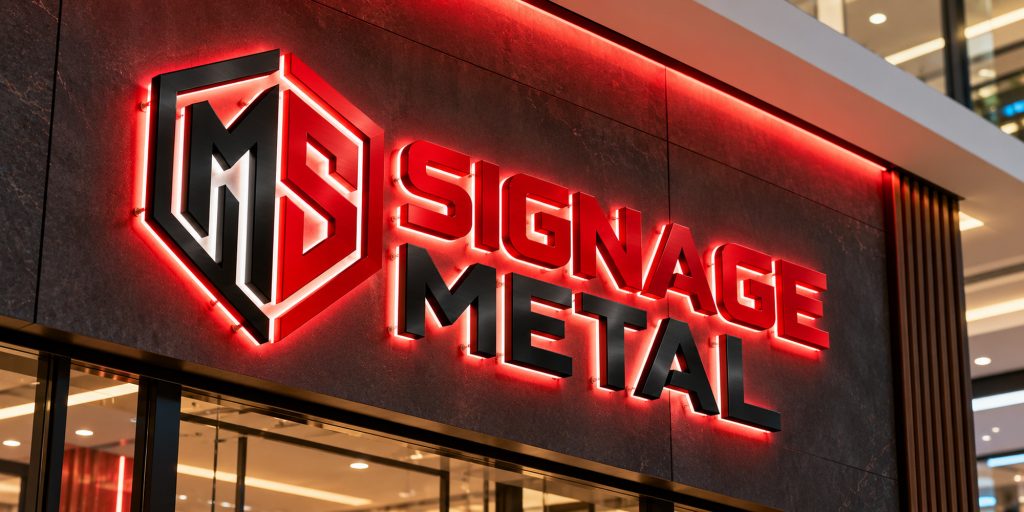
Where DMX control makes sense
DMX is about coordination. It is worth considering when the sign is only one part of a larger lit environment:
- Hotels, conference venues and event spaces that run lighting scenes
- Entertainment venues with a lighting designer or operator
- Corporate headquarters that light the facade for occasions
- Facades where several lit elements must change together
- Venues that already own a DMX controller or desk
If you simply want a sign that changes colour on a timer, you probably do not need DMX. See RGB colour-changing signs for a simpler route.
Design options
DMX is a control layer applied to lit signs. Typical builds include:
- DMX-ready channel letters with RGB or RGBW modules
- Halo-lit or dual-lit letters whose wash is part of the scene
- Linear and facade lighting that frames the sign
- Lit logo panels synchronised with surrounding fittings
We agree early how many DMX channels the sign needs, where the controller or decoder will sit, and whether the sign will be addressed by you, your lighting contractor or by us.
Materials and finishes
The sign itself is made as any other: aluminium or stainless steel returns, powder-coated or painted, with opal acrylic faces or solid metal faces for halo effects. Because scenes may push colour and brightness harder than a static sign, we choose diffusers and face thickness with colour mixing in mind. Decoders and power supplies need ventilated, accessible housings. See materials and finishes.
Lighting and control
DMX carries instructions for brightness and colour to each fitting on the network, using a series of channels. A controller or lighting desk sends the instructions; decoders at the sign convert them into signals for the LED modules.
- Scenes: saved looks such as day mode, evening mode and event mode
- Cues: timed or triggered changes for events
- Dimming: smooth fades rather than abrupt switching
- Colour sync: sign and surrounding fittings change together
DMX integration is subject to technical assessment and confirmed availability. We confirm the protocol interface, cable routes and decoder requirements before design is final. Our role is the sign and its decoders; the wider lighting design may be handled by your lighting designer or electrical contractor.
DMX compared with neighbouring options
RGB colour-changing signs and RGBW architectural signage usually run from their own stand-alone controller. That is the simpler choice if the sign is the only thing you want to control. Choose DMX when the sign must obey the same desk or building scene as other lights.
Programmable pixel LED signs animate effects within the sign. DMX can trigger pixel effects, but pixel systems may also need their own data controller, so the two are designed together. For a content display that shows messages or video, see LED digital display signs. For a non-controlled glow, use custom LED illuminated signs.
Technical considerations
- Viewing distance and size: as a rough guide, many designers allow around 25 mm of letter height per 10 m of viewing distance. We confirm on site.
- Contrast: scene colours should be tested against the wall and night-time surroundings.
- Mounting surface: decoders and supplies need a protected, accessible position as well as the sign fixing.
- Electrical access: DMX needs a data cable run to the sign in addition to power. Cable length, shielding and termination are planned at design stage.
- Light spill and glare: scenes should have brightness limits so the sign does not dominate neighbours or drivers.
- Weather exposure: data connectors and decoders must be protected from rain, dust and heat.
- Access and approvals: structural, electrical and municipal matters are checked at survey and design stage and may need the landlord, body corporate or municipality. A qualified electrical contractor may be required for the supply and data installation; we do not promise compliance in advance.
What affects the price
- Size of the sign and the number of DMX channels or zones
- Type of LED modules, RGB or RGBW
- Decoders, power supplies and enclosures
- Data cabling length and routing
- Whether we supply the controller or integrate with yours
- Programming, scene set-up and commissioning time
- Letter construction, access equipment and rigging
Because DMX work depends on what already exists, we quote after a survey and a discussion with your lighting contractor if there is one.
Care and maintenance
Keep a record of the DMX addresses and scenes used. Intermittent flicker or a zone that stops responding often points to a data connection or termination fault rather than an LED failure. Clean faces with mild soapy water. Our maintenance service and LED signage repairs can help trace faults.
DMX sign lighting across Gauteng
We build from our Rivonia base and arrange surveys and installation by appointment. DMX integration is most relevant in corporate and hospitality nodes such as these:
Options & specifications
| Control protocol | DMX, via decoder at the sign |
|---|---|
| LED type | RGB or RGBW modules |
| Typical construction | Aluminium or stainless steel returns, opal acrylic faces |
| Data cabling | Run to the sign, route set at survey |
| Scenes | Defined with you or your lighting designer |
| Power | Low-voltage supplies and protected decoders |
| Availability | Subject to technical assessment and confirmed availability |
Options, materials and turnaround are confirmed on your written quote.
How ordering works
- 1
Brief
Tell us about the venue lighting, any existing DMX equipment and who manages it.
- 2
Site survey
We check the sign position, power, cable route and where decoders can be housed.
- 3
Design & approval
Drawings show the sign, channels and zones, agreed with you and any lighting designer.
- 4
Manufacture
Letters, modules and decoders are built and tested on a DMX source.
- 5
Installation
The sign is installed, connected to your control system and commissioned.
Frequently asked questions
What is DMX?
DMX is a standard control protocol used in lighting, letting a desk or controller send brightness and colour instructions to many fittings.
Do I need DMX for a colour-changing sign?
Usually not. A stand-alone controller is simpler if only the sign changes. DMX is for coordinating the sign with other lighting.
Can you connect to our existing lighting system?
Often, yes, subject to technical assessment and confirmed availability. We need to know the controller and who looks after it.
Who programs the scenes?
This is agreed at the start. Either we set up the sign scenes, or your lighting designer or contractor does so from our channel documentation.
Does the sign work if the DMX system is off?
We can discuss a default state so the sign shows a normal brand setting when no control signal is present.
Request a quote for DMX-Controlled Sign Lighting
Related services
 RGBW Architectural SignageRGBW signage adds a dedicated white LED to the usual red, green and blue, so a sign can…View
 RGB Colour-Changing SignsRGB signs mix red, green and blue LEDs to produce a wide range of colours from the same…View
- Programmable Pixel LED SignsPixel LED signs use addressable LEDs that can each be given their own colour and brightness, so a…View
 LED Digital Display SignsLED digital displays show content you can change: promotions, messages, opening hours, event details or short video, instead…View
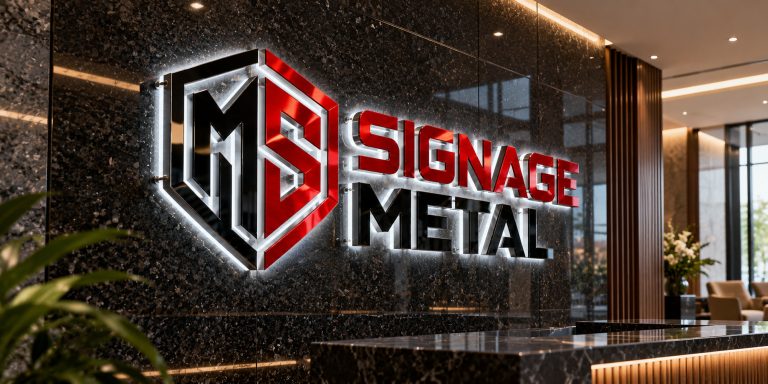 Dual-Lit Channel LettersDual-lit channel letters, sometimes called combo-lit, light the face of each letter and also throw a halo onto…View
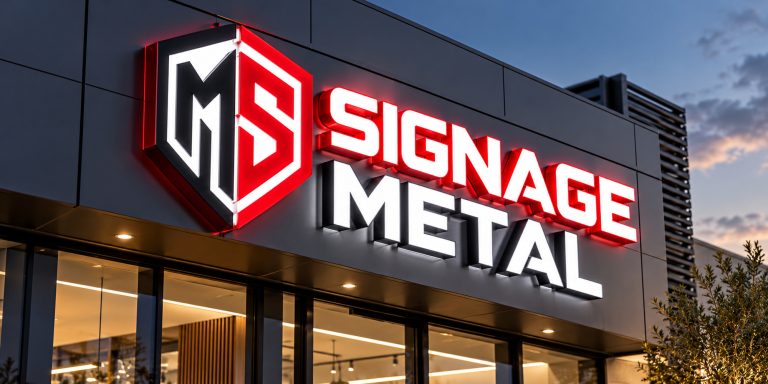 Custom LED Illuminated SignsA custom LED illuminated sign is designed from scratch around your logo, your building and the way people…View
Tell us about your lighting system and we will advise how the sign can be integrated.
Send your brief, quantities and deadline. We reply with a clear written quote and confirm the turnaround before anything goes to production.