
Pylon signs
Illuminated Pylon Signs for Roadside Visibility
An illuminated pylon is a tall freestanding sign that lifts your name above parked cars, walls and boundary planting so it can be seen from the road. Lit pylons carry that visibility into the night, and they suit shopping centres, business parks, dealerships, restaurants and any premises set back from the street.
- Visible above vehicles and walls
- Lit for night-time reading
- Single- or multi-tenant
- Fabricated structural frame
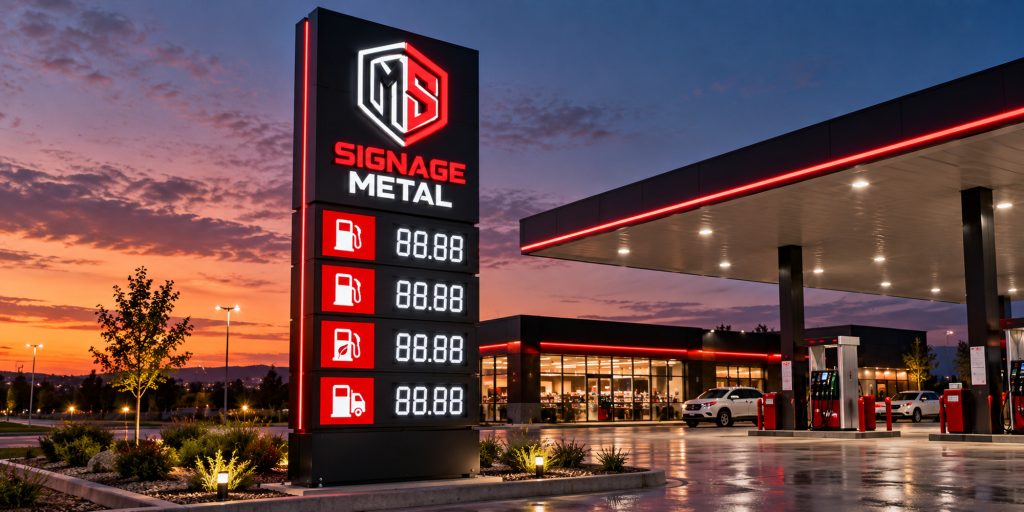
Where pylon signs work best
A pylon is for sites where the main building is not visible from the road or approach:
- Shopping centres and strip centres with several tenant panels
- Business parks and office developments on busy roads
- Motor dealerships, showrooms and service centres
- Restaurants, drive-throughs and takeaways
- Clinics, schools and institutions that need clear identification
- Industrial premises set behind fences or yards
Pylons are tall and need a proper foundation, so they involve more design, approval and installation work than a wall sign. If a low entrance feature is enough, consider an illuminated monument. Where lighting is not needed, see non-illuminated pylon signs.
Design options
Pylons are built in several configurations:
- Single-column pylons: a slim structure with one or two lit panels
- Multi-tenant pylons: stacked changeable panels for centres and business parks
- Wide-panel pylons: a large lit cabinet on one or two columns
- Combination pylons: lit panels with a digital display or price section
- Sculptural pylons: shaped or architectural forms that echo the building
Height, width and number of panels are decided by sight lines, road speed and any limits set by the municipality or landlord.
Materials and finishes
The structure is normally a fabricated steel column or frame, protected with paint or a powder-coat system suited to outdoor use. Cabinets are usually aluminium with opal acrylic faces and applied vinyl, or with routed metal faces. Tenant panels are designed to slide or clip in for easy replacement. See materials and finishes for finishes and samples.
Lighting options
Most pylons use LED modules inside the cabinets to light each face evenly. Panels can be lit all together or in sections, and tenant panels can be separately controlled so one failure does not darken the whole sign. Photocells and timers switch the sign on at dusk. Where a cabinet is not suitable, letter-lit or halo-lit panels may be set into the structure.
Pylons sit high and are seen across a wide area, so brightness has to be controlled: a very bright pylon can glare into traffic and nearby homes. We set brightness and, where suitable, dimming at commissioning.
Pylons compared with neighbouring options
Illuminated monuments are low and welcoming but cannot be read from far away. Choose a pylon when the sign must be seen over obstacles or from a fast road. Totem signs are slimmer and suit pedestrian and internal wayfinding rather than roadside advertising.
Non-illuminated pylons cost less to run and suit sites where street lighting is good or operating hours are daytime only. For forecourts, petrol station pylon signs combine services and price displays. For other freestanding forms, see freestanding business signs.
Technical considerations
- Viewing distance and size: as a rough guide, many designers allow around 25 mm of letter height per 10 m of viewing distance. For roadside pylons the real distance and speed must be measured on site.
- Contrast: logos need strong contrast against the face so they read in a second or two.
- Mounting surface and foundation: a pylon needs an engineered foundation. Ground conditions, services, drainage and wind exposure are assessed, and a structural engineer may be required.
- Electrical access: power must reach the base and rise through the column with suitable isolation.
- Light spill and glare: brightness should suit the road and surrounding properties.
- Weather exposure: wind loading, rain, dust and heat all affect cabinet sealing and structure.
- Access and approvals: structural, electrical and municipal approval matters are checked at survey and design stage and may need the landlord, body corporate or municipality. Large roadside signs are often controlled by outdoor-advertising rules. We do not promise compliance in advance.
What affects the price
- Height, width and number of lit panels
- Structural design and foundation requirements
- Cabinet construction and face material
- LED modules, power supplies and controls
- Tenant panel systems
- Trenching and cabling distance from supply
- Crane or lifting equipment and site access
- Finish and any integrated display
A written quotation is prepared after the survey and engineering input.
Care and maintenance
Clean faces regularly, since dust and road film dull the light. Check lighting for failed modules and replace panels that fade or yellow. Inspect the base, anchors and paint for corrosion and have loose fixings checked promptly. Our signage cleaning and maintenance and LED signage repairs cover inspections, and ageing cabinets may suit LED retrofit.
Pylon signs across Gauteng
We design and fabricate from Rivonia and arrange surveys and installations by appointment across Gauteng. Pylon signs suit commercial and industrial areas such as:
Options & specifications
| Structure | Fabricated steel column or frame |
|---|---|
| Cabinets | Aluminium with opal acrylic or routed metal faces |
| Panels | Single, multi-tenant or wide-format |
| Lighting | LED modules, photocell and timer |
| Foundation | Engineered to site, set after survey |
| Power | Protected supply to base |
| Finish | Powder-coated or painted |
Options, materials and turnaround are confirmed on your written quote.
How ordering works
- 1
Brief
Tell us about the road, the site, tenants and what must be seen.
- 2
Site survey
We measure sight lines, check ground, services and power, and photograph approaches.
- 3
Design & approval
You approve drawings, a mockup and engineering details; consent is arranged where needed.
- 4
Manufacture
Cabinets, structure and lighting are fabricated and tested.
- 5
Installation
Foundation, lifting, fixing, wiring and brightness setting are completed on site.
Frequently asked questions
How tall should a pylon sign be?
It depends on road speed, sight lines and municipal limits. We measure on site and check the permitted height at design stage.
Can a pylon show several tenants?
Yes. Multi-tenant pylons use removable panels so tenant names can be changed without replacing the structure.
Does a pylon need engineering?
Usually. Tall freestanding signs need an engineered foundation and structure, and we involve an engineer where required.
Do I need approval?
Often. The landlord, body corporate or municipality may have to approve. We check requirements at survey and design stage.
Can you replace the face of an existing pylon?
Often, yes. An existing structure can sometimes be re-faced or retrofitted with LED after inspection.
Request a quote for Illuminated Pylon Signs
Related services
 Non-Illuminated Pylon SignsA non-illuminated pylon is a tall, freestanding sign with no internal lighting. The brand is carried by applied…View
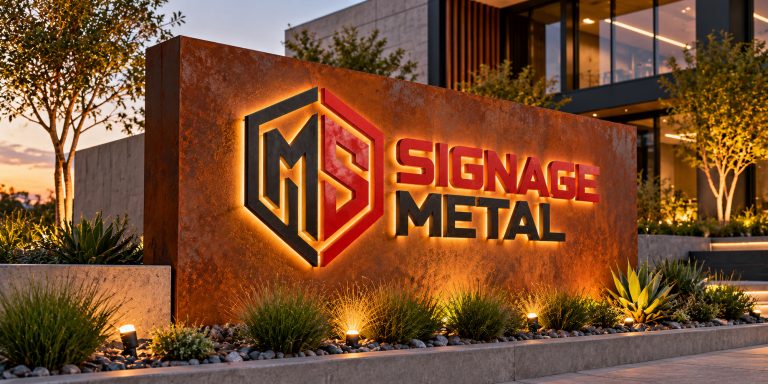 Illuminated Monument SignsA monument sign is a low, solid, ground-mounted sign that welcomes people at an entrance. With integrated lighting…View
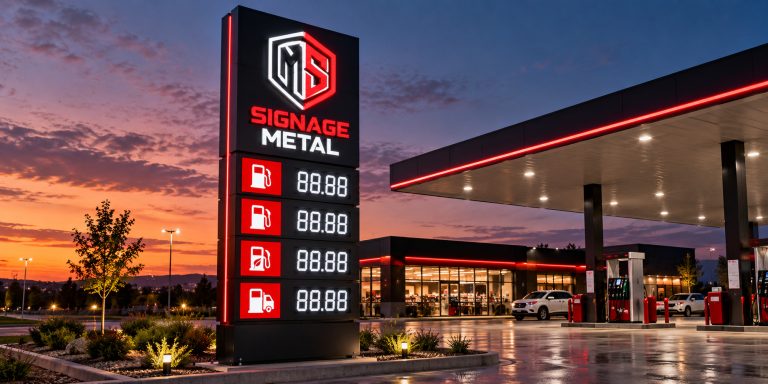 Petrol Station Pylon SignsA forecourt pylon is the first thing a driver reads from the road, so it has to carry…View
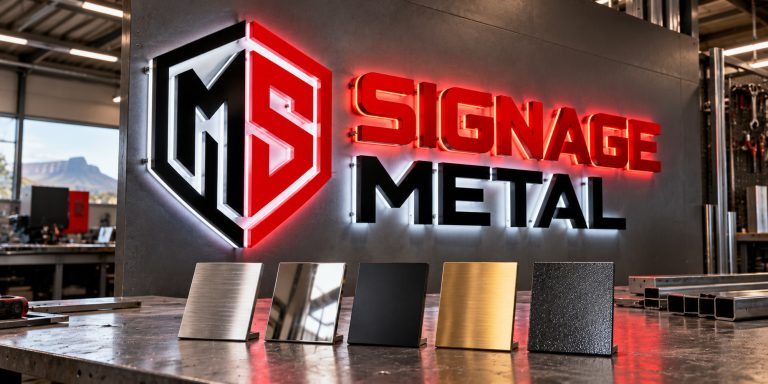 Freestanding Business SignsA freestanding business sign stands on its own foundation at the boundary, entrance or car park of a…View
- Totem SignsA totem sign is a slim, vertical, freestanding sign, usually between a boundary-wall sign and a full pylon…View
 LED Lightbox SignsAn LED lightbox is a fabricated cabinet with a translucent face lit evenly from behind by LED modules.…View
Tell us about your site and road and we will advise on pylon height and panel layout.
Send your brief, quantities and deadline. We reply with a clear written quote and confirm the turnaround before anything goes to production.